Beyond Matcha is reader-supported. When you buy through links on our site, we may earn an affiliate commission at no extra cost to you. As an Amazon Associate we earn from qualifying purchases.
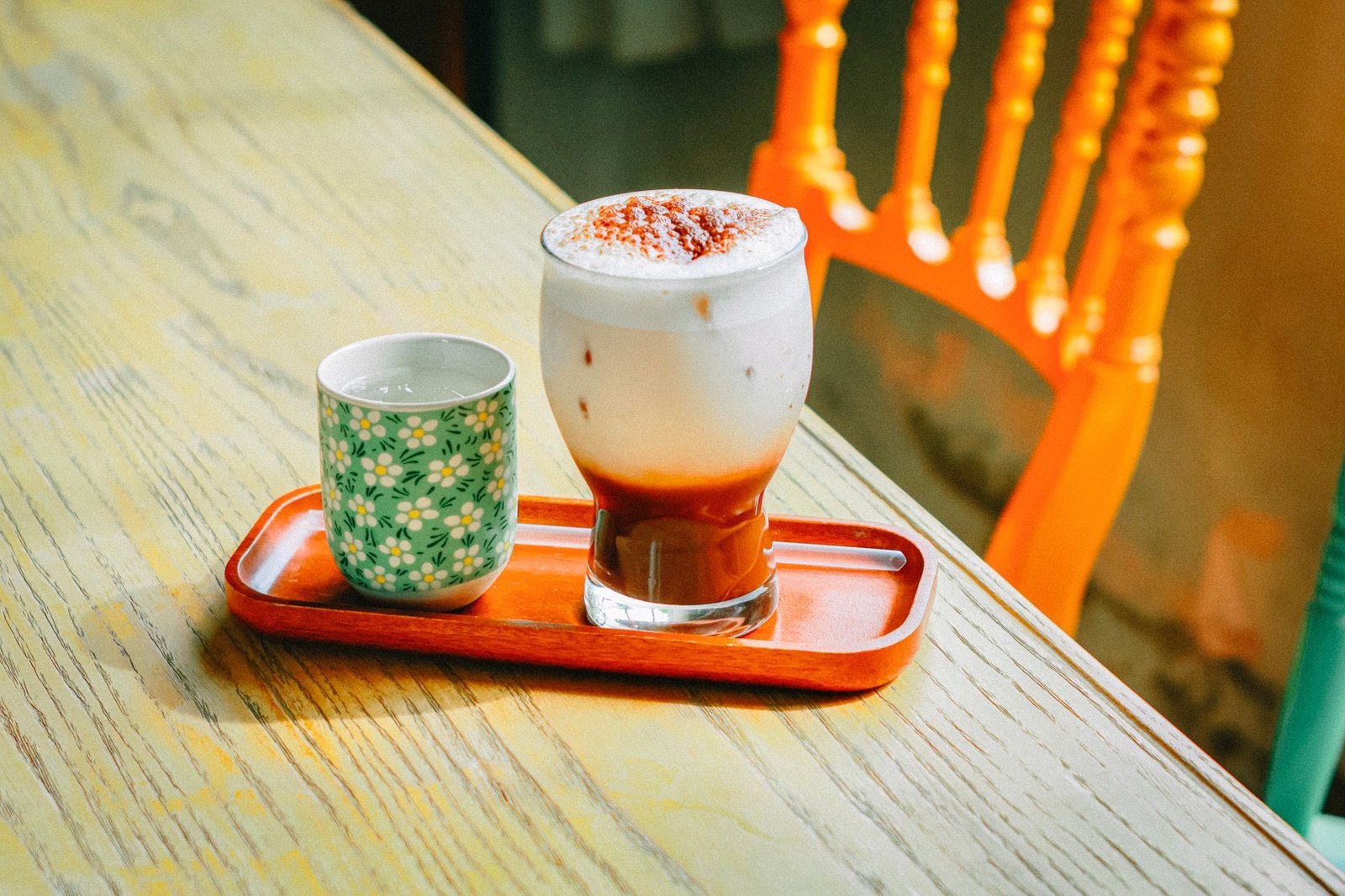
If matcha lattes taste too grassy for you, or you want a warm, milky drink in the evening without a big caffeine hit, hojicha is the answer. This roasted Japanese green tea brings toasted grain, caramel and cocoa notes that pair naturally with milk, and it is far more forgiving to prepare than matcha.
Below are three reliable methods: a quick whisked version with hojicha powder, a concentrate made from loose leaf, and a milk-simmered version for the richest cup. If you are new to roasted tea, start with our guide to matcha vs hojicha.
Key takeaways
- Hojicha powder gives the quickest, most cafe-like latte; loose leaf needs a strong concentrate.
- Use about 2–3 g of powder, or 8 g of leaf in 4 oz of water, per 8 oz of milk.
- Roasted tea tolerates hot water, so 195–205°F works well.
- Heat milk to about 140–150°F for sweetness and stable foam; avoid boiling.
- Brown sugar, maple or honey suit hojicha’s toasty flavor better than plain syrup.
Hojicha for lattes
- 1
Loose leaf for concentrates
Matcha Konomi Organic Japanese HojichaOrganic Yabukita hojicha from Mie and Kagoshima that buyers describe as naturally sweet with no bitter aftertaste, ideal for the concentrate and milk-simmer methods.
Read our review · Check price → - 2
Powder for whisked lattes
Chazoku Hojicha Roasted Matcha PowderFinely milled roasted tencha from Uji in a 500 g bulk bag, for daily latte drinkers. A newer listing without an established rating yet.
Check price →
Choose your hojicha: powder or leaf
Hojicha powder is roasted tea ground into a fine powder, usually from tencha or sencha leaves. It whisks straight into water or milk like matcha, so the latte is quick and has full body because you drink the whole leaf. It is the closest you will get to a café-style hojicha latte.
Loose-leaf hojicha is the more traditional form and is what most Japanese households drink. You cannot whisk it, so for a latte you need a strong brew. The result is lighter in body, but often cleaner and more aromatic, and loose leaf is more versatile because you can also drink it plain. Our Matcha Konomi organic hojicha review looks at one good everyday option.
Tea bags fall in between: convenient, and fine for a lighter latte if you use two or three per cup. Our review of Asayu’s hojicha covers a bagged choice.
What you need
- Hojicha powder or loose leaf (or bags)
- A kettle, ideally with temperature control
- A small bowl and bamboo whisk, or a handheld milk frother, for powder
- A fine strainer or teapot for loose leaf
- Milk or a plant milk that froths well
- Sweetener, optional
A kitchen scale helps. Roasted leaves are light and bulky, so spoon measurements vary a lot from one tea to the next.
Method 1: Whisked hojicha latte (powder)
This takes about three minutes and makes one 10–12 oz latte.
- Sift 2–3 g of hojicha powder (about 1–1½ teaspoons) into a bowl or wide mug. Sifting prevents clumps.
- Add about 2 oz of hot water at 175–195°F. Hojicha tolerates hotter water than matcha, but just-boiled water can still taste a little harsh with powder.
- Whisk briskly in a zigzag motion for 15–20 seconds, or use a handheld frother, until the mixture is smooth and lightly foamy.
- Sweeten now if you like, so the sweetener dissolves into the hot tea.
- Heat and froth 6–8 oz of milk to about 140–150°F, until it steams but does not simmer.
- Pour the milk into the tea, holding back the foam with a spoon, then spoon the foam on top.
Want it stronger? Add powder rather than steeping longer or using less milk; the roasted flavor stays round even at 4 g.
Method 2: Loose-leaf concentrate latte
This method makes a strong tea “shot” that stands in for espresso.
- Measure about 8 g of loose-leaf hojicha, roughly 3 heaping tablespoons, for one latte. That is about double a normal cup.
- Pour 4 oz of water at 195–205°F over the leaves. Roasted tea handles near-boiling water well.
- Steep for 3–4 minutes. Longer steeping rarely adds flavor and can bring out a dry, woody bitterness.
- Strain firmly, pressing the leaves to release the last of the tea.
- Add 6 oz of steamed, frothed milk and sweetener to taste.
Batch tip: brew four times the amount, strain, and keep the concentrate in a sealed jar in the fridge for up to two days. Mix it half and half with milk for quick iced lattes all week.
Method 3: Milk-simmered hojicha (richest)
Inspired by the way Japanese “royal milk tea” is made, this method steeps the leaves partly in milk for a deeper, rounder cup.
- Bring 3 oz of water to a boil in a small saucepan, add 6–8 g of loose-leaf hojicha and let it steep off the heat for 2 minutes.
- Add 8 oz of milk and warm gently over low heat, stirring, until it just begins to steam. Do not let it boil, or a skin will form and the milk will taste cooked.
- Strain into a mug, pressing the leaves, then sweeten and froth if you like.
This is the most forgiving method for loose leaf and the best for cold evenings.
Iced hojicha latte
For powder, whisk 3 g with 2 oz of warm water until smooth, pour over ice, then add 6 oz of cold milk. For loose leaf, use the chilled concentrate from Method 2, or cold-brew 10 g of leaf in 2 cups of cold water in the fridge for 6–8 hours, strain, and mix about half and half with milk over ice.
Cold-brewed hojicha is especially smooth and sweet, because cold water pulls out less of the bitter compounds.
Milk and sweetener pairings
- Whole milk: the richest, creamiest result and the most stable foam.
- Oat milk: froths well and has a cereal sweetness that suits roasted tea.
- Soy milk: good body and foam; slightly beany on its own but fine with hojicha.
- Almond milk: thin and nutty; use a barista version for better foam.
Toasty hojicha loves deeper sweeteners. Brown sugar, maple syrup and honey all echo its caramel notes. A pinch of cinnamon or a drop of vanilla also works. Start with a teaspoon; hojicha is naturally smooth, and too much sugar hides its roasted aroma.
Troubleshooting
- Clumps: sift powder first and whisk it with a little water before adding milk.
- Weak or watery: use more tea, not a longer steep. For powder, go to 3–4 g; for leaf, increase to 10 g.
- Bitter or dry finish: shorten the steep to 3 minutes and keep milk below a simmer.
- Flat aroma: your tea may be stale. Roasted aroma fades after opening, so store hojicha airtight, away from heat and light, and finish an opened bag within a couple of months.
Once you have a method you like, it is easy to adapt. If you also drink matcha, the same whisking and sifting habits carry over; our guide to ceremonial vs culinary matcha explains how to choose a powder for lattes.
Frequently asked questions
Is a hojicha latte high in caffeine?
Hojicha is generally considered a low-caffeine tea, so a hojicha latte usually has noticeably less caffeine than a coffee latte or a matcha latte. It is not caffeine-free, though, so very sensitive drinkers should still be cautious late in the day.
Can I use hojicha tea bags for a latte?
Yes. Use two or three bags in about 4 oz of near-boiling water, steep for 4–5 minutes, squeeze gently and add steamed milk. Bags make a lighter latte than powder, but it is still very good.
What is the best milk for a hojicha latte?
Whole milk gives the richest result. Among plant milks, oat milk froths well and its natural sweetness complements roasted tea; soy is a good second choice. Almond milk is thinner and can taste watery.
Why is my hojicha latte bitter?
Usually the tea was steeped too long or the milk was scorched. Keep loose-leaf steeps to 3–4 minutes and heat milk only until steaming, around 140–150°F.