Beyond Matcha is reader-supported. When you buy through links on our site, we may earn an affiliate commission at no extra cost to you. As an Amazon Associate we earn from qualifying purchases.
Naoki’s Superior Ceremonial Blend currently sits at the top of Amazon’s Matcha Tea category, with more than 7,600 ratings averaging 4.5 stars. That is a rare combination of popularity and approval in a category full of vague “premium” claims and powders of uncertain origin.
What makes it interesting is how candid Naoki is about its purpose. The brand pitches this blend at beginners and latte drinkers, not tea-ceremony purists. We looked at the listing details, the patterns in buyer feedback and the alternatives to see whether that positioning holds up, and who should buy something else.

Best all-round ceremonial matcha for lattes
Naoki Matcha Superior Ceremonial Blend
A fresh, first-harvest Uji matcha with enough body to cut through milk and enough smoothness for an everyday bowl of usucha, though connoisseurs chasing deep sweetness will want a higher tier.
What the listing actually promises
The core claims are specific, which is a good sign. Naoki says the matcha is made from shade-grown, first-harvest tea leaves from Uji, Kyoto, the region most closely associated with matcha in Japan. The tencha (the dried, de-stemmed leaf that matcha is ground from) is ground into powder shortly before it ships to the United States and is then sealed into air-tight packets.
That last point matters more than it sounds. Matcha is a powder with an enormous surface area, so it loses color and aroma to air, light and heat far faster than whole-leaf tea. Grinding close to export reduces the time the powder sits around before it reaches you.
This listing is a pair of 100 g resealable packs. At Naoki’s suggested 1 teaspoon (about 2 g) per serving, each pack covers roughly 50 cups of usucha or small lattes.
The flavor: balanced, with a little bite
Naoki describes the Superior Blend as smooth with balanced umami and a hint of bitterness, and recommends it for recipes where matcha is the main ingredient. Read that carefully. The sweetest, most delicate ceremonial matcha is usually made from the most tender first-flush leaves and tends to taste soft and brothy with almost no astringency. A blend that keeps a little bitterness is built to be noticed under milk and sweetener.
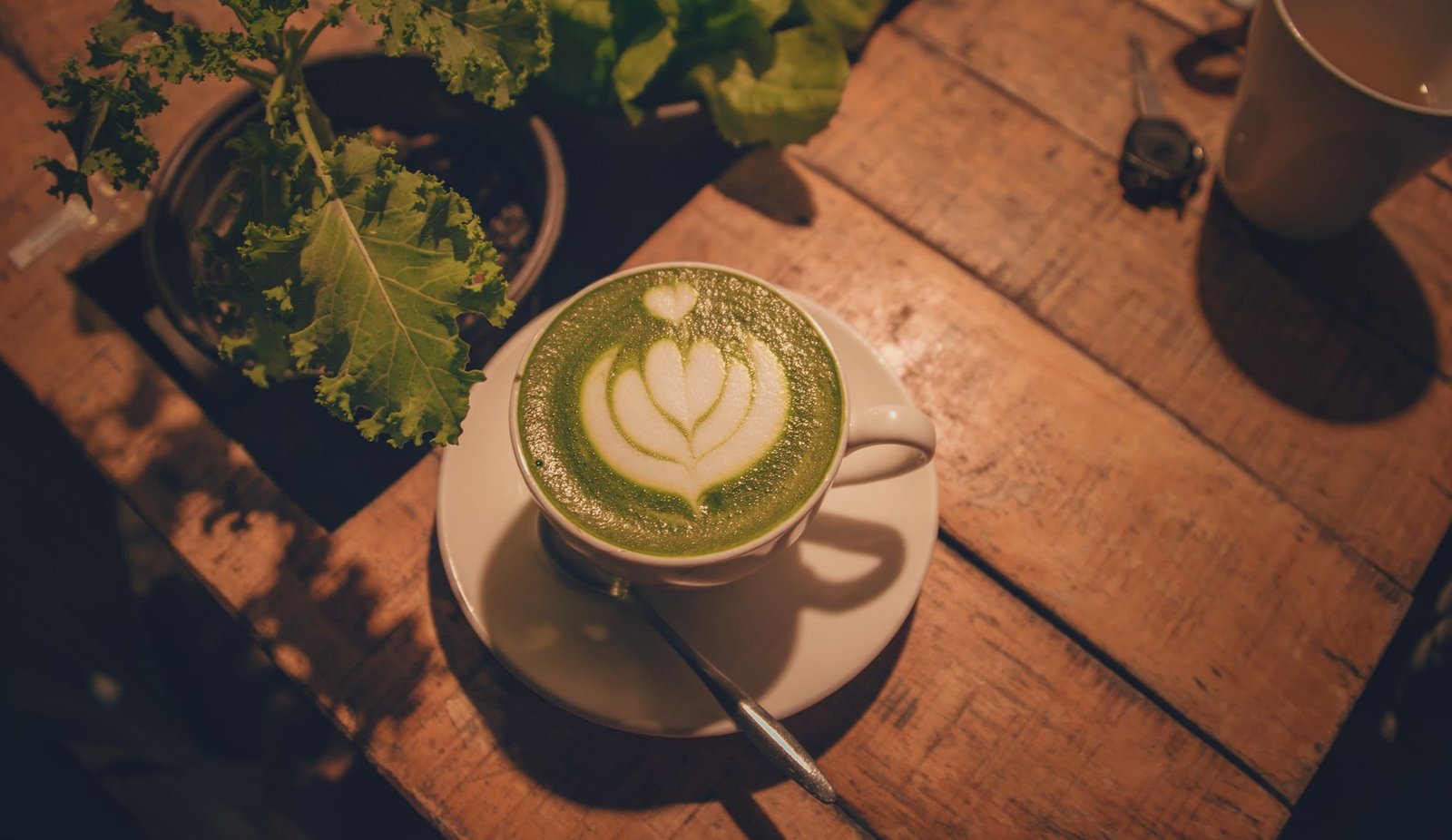
For a latte, that is exactly what you want. Milk fat mutes green tea, and a very delicate matcha can disappear into a flat, faintly grassy drink. A blend with some structure keeps its vegetal, slightly savory character. When whisked with water alone, the same edge comes through as a light astringency on the finish. Most people will find it pleasant; matcha enthusiasts who prize sweetness may not.
Who this blend is really for
Naoki’s own range makes the positioning clear. Above this blend sit more expensive, more delicate tins aimed at straight tea; alongside it sits the Organic Ceremonial First Spring Blend from Kagoshima, described as mellow with virtually no bitterness. The Superior Blend is the workhorse.
That makes it a strong fit for three kinds of buyer:
- Daily latte drinkers who want real Uji ceremonial matcha rather than a sweetened mix.
- Beginners who are still learning to whisk and want something forgiving.
- Switchers from café matcha who want to reproduce a coffee-shop latte at home.
If you already drink thick koicha or compare matcha side by side, this is not the tin that will impress you. It is not trying to be.
What buyers say
Amazon’s summary of customer reviews is broadly positive. Buyers praise the authentic taste, vibrant green color and creamy texture, and repeatedly mention that it blends smoothly without clumping and works especially well in lattes. Some go as far as calling it the best matcha they have tried.
Two themes are mixed. On value, some buyers think it is well worth the price while others feel it is not worth the cost. On aroma, opinions split between those who find it lovely and those who say it hardly smells or tastes of anything.
The aroma complaint is worth taking seriously, because fresh matcha should have a clear, sweet-vegetal scent. Muted aroma often points to a pack that has been open for a while or stored warm, though individual palates also differ. Our advice: open one pack at a time, keep the other sealed in the fridge, and finish each within a month or two.
Getting the best from it
A few habits make a bigger difference than the powder itself:
- Sift first. Push the matcha through a small fine-mesh strainer before adding water. It is the single best way to avoid clumps.
- Mind the temperature. Water around 160–175°F keeps bitterness in check. Boiling water makes any matcha harsher.
- Make a paste or a shot. For a latte, whisk 2–3 g of powder with about 2 oz of warm water until smooth and foamy, then pour in 6–8 oz of steamed or cold milk.
- Use a chasen if you can. An electric frother works, but a bamboo whisk moved in a quick “M” or “W” pattern produces a finer foam.
For a broader look at how this tin compares with other premium options, see our reviews of Maeda-en Shiki Matcha and TSUJIRI Ceremonial Matcha, or read our guide to ceremonial vs culinary matcha.
How it compares
Against culinary-grade powders such as Jade Leaf’s organic culinary matcha, the Naoki blend should be brighter in color and smoother when drunk straight, which is what you are paying the ceremonial premium for. If your matcha only ever goes into smoothies and baking, that premium is hard to justify.
Against Jade Leaf’s Artisanal Barista Edition, it is a closer contest: both are first-harvest ceremonial blends designed for lattes. Naoki’s advantages are its single named origin (Uji) and its larger pack. Jade Leaf’s smaller 50 g pouches are easier to finish while fresh if you drink matcha only a few times a week.
What we like
- First-harvest, shade-grown leaf from Uji, Kyoto
- Ground in Japan shortly before export, then sealed in air-tight packets
- Bold enough to keep its character in milk lattes
- Buyers consistently praise the color, creamy texture and easy mixing
- 100 g resealable packs work out to about 50 servings each
What could be better
- A hint of bitterness that purists may notice when it is whisked with water alone
- Aroma divides buyers; some find it faint
- Large 100 g packs go stale if you drink matcha only occasionally
- Value-for-money opinions are split
Key specifications
| Grade | Ceremonial (Naoki’s ‘Superior Blend’) |
|---|---|
| Origin | Uji, Kyoto, Japan |
| Harvest | First harvest, shade-grown tencha |
| Pack size | 2 × 100 g (3.5 oz) resealable packs |
| Servings | About 50 per 100 g pack (2 g per serving) |
| Serving size | 1 tsp (about 2 g) |
| Flavor (per brand) | Smooth, balanced umami with a hint of bitterness |
| Ingredients | 100% matcha green tea powder |
Alternatives worth considering
Smoother for straight tea
Naoki Matcha Organic Ceremonial First Spring Blend
JAS-certified organic first-harvest matcha from the Kirishima area near Kagoshima, described as mellow with cacao notes and virtually no bitterness. A good pick if you drink it with water more than milk.
View on Amazon →Barista-style ceremonial
Jade Leaf Matcha Artisanal Barista Edition
Jade Leaf’s first-harvest ceremonial blend aimed squarely at cafe-style lattes, sold in 50 g vacuum pouches that are easier to finish while fresh.
View on Amazon →Budget for baking and smoothies
Jade Leaf Organic Culinary Grade Matcha
If your matcha mostly disappears into smoothies, pancakes or heavily sweetened drinks, a culinary grade from Uji and Kagoshima does the job at a lower cost per gram.
View on Amazon →Frequently asked questions
Can I drink Naoki Superior Ceremonial Blend as straight tea?
Yes. Naoki describes it as suitable for occasional usucha (thin matcha). Expect balanced umami with a little bitterness; use water around 160–175°F and whisk briskly to soften the edges. For a sweeter straight bowl, the Organic First Spring Blend is the gentler choice.
How much powder should I use for a latte?
Naoki recommends 1 teaspoon (about 2 g) per serving. Many latte drinkers go up to 3 g for a stronger tea flavor in 8–10 oz of milk. Whisk the powder into a small amount of warm water first, then add the milk.
How should I store an opened pack?
Squeeze out the air, reseal it and keep it in a cool, dark place, ideally the fridge, away from strong odors. Let it come to room temperature before opening to avoid condensation, and aim to finish it within a month or two for the best color and aroma.
How much caffeine is in a serving?
Naoki does not list a figure. Estimates for matcha vary widely, but a 2 g serving generally sits below a typical 8 oz cup of brewed coffee. If you are sensitive to caffeine, drink it earlier in the day.
The verdict
The Superior Ceremonial Blend is an easy recommendation for anyone who drinks matcha mostly as a latte: genuine first-harvest Uji tea, freshly ground and bold enough to stand up to milk. It is a solid everyday usucha too, but not the sweetest bowl on the market. If you drink matcha straight, look at Naoki’s Organic First Spring Blend or step up to a higher-tier tin.
Check Naoki Superior Ceremonial on AmazonHow we review: we research every product using the manufacturer’s specifications, independent expert sources and patterns across verified customer reviews, then score it against the alternatives in its price class. Prices and availability change often, so always check the current listing on Amazon.